
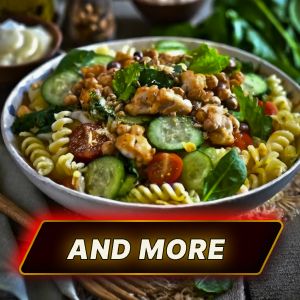
In the high-velocity world of technology, where sprint cycles blur into releases and debugging sessions stretch past midnight, the concept of a home-cooked meal often feels like a legacy system that no longer receives updates. We default to delivery apps, instant noodles, or the dubious cafeteria sandwich. Yet, the most efficient programmers understand a fundamental truth: a well-fueled system performs better. This is not about gourmet complexity; it is about pragmatic optimization. This guide presents a set of simple recipes built on everyday ingredients—the kind you already have in your pantry—designed to minimize cognitive load and maximize nutritional return.
The Core Principle: Idempotent Cooking
In software engineering, an idempotent operation produces the same result no matter how many times it is executed. Great recipes are idempotent. They do not require precise measurements, specialized hardware, or exotic spices. They rely on a few core variables: heat, time, and salt. By mastering three foundational techniques—the quick skillet, the one-pot boil, and the assembly-based no-cook bowl—you can generate an infinite variety of meals without ever consulting a complex manual.
Consider the following optimization table for your weekly planning. It breaks down the key resource costs (time, active attention, and clean-up) against the output quality. This is your system architecture for the kitchen.
| Skillet Sauté | 10 minutes | 15 minutes | 1 Pan, 1 Spatula | Beginner |
| One-Pot Pasta | 5 minutes | 20 minutes | 1 Pot, 1 Colander | Beginner |
| No-Cook Assembly | 15 minutes | 15 minutes | 1 Bowl, 1 Knife | Intermediate |
| Sheet Pan Roast | 10 minutes | 30 minutes | 1 Tray, 1 Sheet | Beginner |
Module 1: The High-Performance Skillet
This is your workhorse. A single cast-iron or non-stick skillet can process more protein and vegetables in fifteen minutes than a slow cooker can in four hours. The key is high heat and aggressive seasoning. The following recipe is a base template—a function that accepts almost any input variable.
Base Formula: Protein + Vegetable + Starch
The rule is simple: pick one from each column. The fat (oil or butter) is the compiler that makes everything run. The seasoning is your dependency manager—use salt, pepper, and maybe one dried herb to avoid conflicts.
- Protein (choose 1): Chicken thigh (diced), firm tofu (cubed), ground beef, canned chickpeas.
- Vegetable (choose 2): Bell pepper, zucchini, broccoli florets, frozen peas, spinach.
- Fast Starch (choose 1): Cooked rice (from a microwave pouch), tortilla, pre-cooked quinoa, or simple crusty bread.
- Fat & Acid: Olive oil, soy sauce, or a squeeze of lemon.
Execution Protocol
This is a zero-waste workflow. You use one pan, one spatula, and clean up in under two minutes. Pro tip: If you use canned chickpeas, drain and rinse them first to remove excess sodium (bloat).
Module 2: The One-Pot Pasta Optimization
Traditional pasta requires boiling water, draining, and then saucing—a multi-step pipeline that introduces failure points. The modern solution is to cook the pasta directly in the sauce, allowing the starches to act as a natural thickening agent. This is the “monolithic” approach, and it works beautifully for short pasta shapes like penne or fusilli.
Tomato-Basil Fusion Pasta
This recipe requires exactly four primary ingredients (plus water and salt). It is the closest you will get to a “just works” meal.
Ingredients:
- 250g dry penne (or any short pasta)
- 400g can of crushed tomatoes (or diced, blended)
- 1 liter of water (or vegetable stock)
- 1 large handful of fresh basil (or 1 tsp dried oregano)
- Salt and olive oil
Procedure:
This method eliminates the colander entirely, saving water, energy, and time. The starch-water fusion creates a robust emulsion that clings to the pasta far better than a separate jarred sauce ever could.
Module 3: The No-Cook Assembly (Zero Runtime)
Sometimes, the system is already at maximal load, and you cannot afford to execute any external processes—like turning on the stove. For these moments, you need a “serverless” meal. The following is a high-protein, high-flavor bowl that requires no heat, only the mechanical skills of chopping and stirring.
The Developer’s High-Protein Mason Jar
Ingredients:
- 1 can of white beans (cannellini or navy) – drained and rinsed
- 1 can of tuna in olive oil (or skip for a vegetarian version with tofu)
- 1/2 red onion, finely diced
- 1 cucumber, deseeded and chopped
- 2 tablespoons of mayonnaise (or Greek yogurt)
- 1 tablespoon of Dijon mustard
- Salt, pepper, and a pinch of smoked paprika (optional)
Method:
This dish benefits from sitting for 10 minutes, allowing the flavors to merge—a process known in culinary terms as marination, or in dev terms as “caching.” The protein content is substantial, and the fiber from the beans ensures satiety, preventing the after-lunch code-review slump.
Conclusion: Refactoring Your Eating Habits
Adopting these simple recipes is a form of technical debt reduction. You are not spending your precious executive function on complex French sauces; you are investing in efficient, repeatable systems. The skillet formula gives you variety through parameter changes. The one-pot pasta removes an entire step from your workflow. The no-cook bowl is your emergency uptime guarantee.
Start with one recipe. Execute it twice. Then, refactor it by swapping out a vegetable or a protein. The goal is not to become a chef, but to become a systems engineer of your own sustenance. By mastering these three modules, you ensure that you are always running on high-quality fuel, ready for any production incident that your day may throw at you. Now, go compile your dinner.