
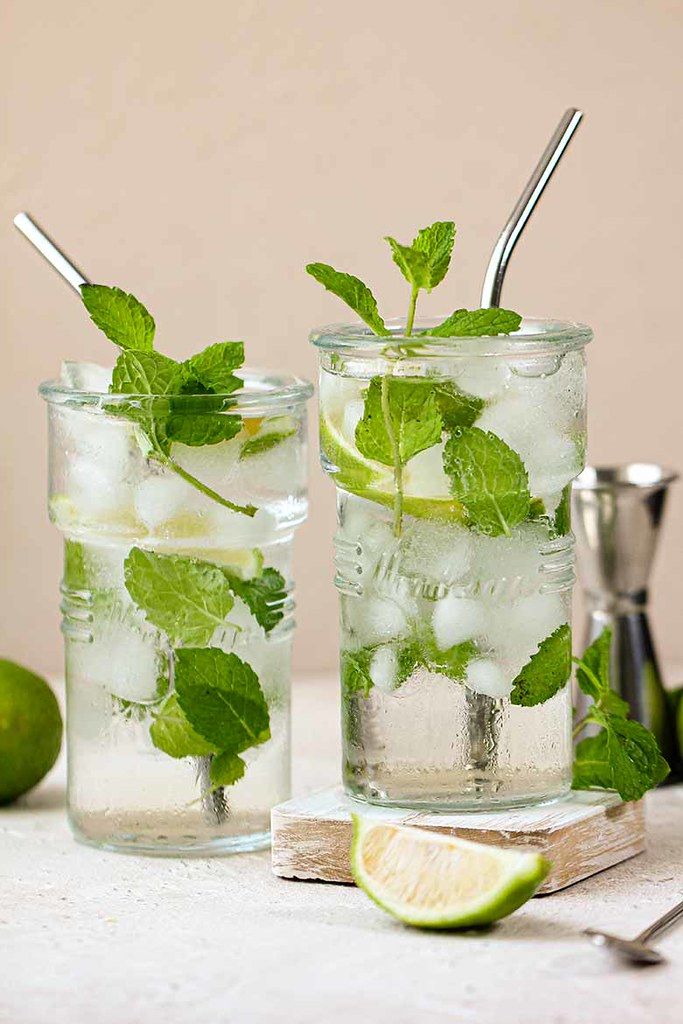
In the modern landscape of social entertaining, the spotlight has shifted decisively toward sophisticated, alcohol-free libations. Whether you are hosting a corporate brunch, a baby shower, or a quiet evening of self-care, the mocktail has evolved far beyond the sugary, flat sodas of yesteryear. Crafting a memorable drink requires a balance of acidity, sweetness, botanical complexity, and visual appeal—without the buzz. This guide delivers professional-grade recipes that prioritize clarity of flavor and ease of preparation, ensuring you can elevate any gathering with minimal effort and maximum impact.
The Architecture of a Great Mocktail
Before diving into the recipes, it is critical to understand the structural principles that separate a casual juice blend from a true mocktail. The best non-alcoholic drinks mimic the complexity of a cocktail by layering distinct sensory elements:
- Base: This provides body and volume. Options include tonic water, sparkling water, cold-brew tea, or seedlip-style botanical spirits.
- Acid: Fresh citrus (lemon, lime, grapefruit) or verjus to cut sweetness and awaken the palate.
- Sweetener: Simple syrup, honey, agave, or a flavored shrub to balance the acid.
- Seasonal Flavor: Muddled herbs, fresh fruit, spice-infused syrups, or high-quality bitters (alcohol-free variants available).
- Texture: A shake with ice to create dilution and aeration, or a gentle stir for clarity.
When building your menu, consider the occasion. A summer garden party calls for bright, effervescent drinks, while a winter holiday gathering benefits from warming spices and deeper, roasted notes. The recipes below are categorized by function, allowing you to mix and match with ease.
Signature Recipes for Elevated Gatherings
The Crimson Ember (Spiced Cranberry-Orange)
Ideal for autumnal celebrations or a Thanksgiving table, this drink balances tartness with a warming clove aroma. The preparation time is under five minutes, yet the visual depth—a deep ruby hue with a translucent orange garnish—commands attention.
Ingredients:
- 4 oz unsweetened cranberry juice (use a high-quality, non-concentrate brand)
- 2 oz fresh orange juice (strained)
- 0.5 oz clove-infused simple syrup (recipe below)
- 2 oz chilled ginger ale or premium tonic water
- Star anise and a strip of orange zest for garnish
Clove-Infused Simple Syrup: Heat 1 cup water and 1 cup granulated sugar with 6 whole cloves. Simmer for 7 minutes, then cool and strain. This syrup stores in the refrigerator for up to two weeks.
Pro tip: For a smoky, non-alcoholic depth, add two drops of alcohol-free liquid smoke or a pinch of smoked paprika to the shaker. This adds umami without overwhelming the cranberry.
The Verdant Zen (Cucumber-Mint Cooler)
For corporate luncheons or bridal showers, this mocktail offers a clean, spa-like aesthetic. The cucumber provides a crisp, watery backbone, while mint and lime deliver a bracing finish. This recipe benefits from a rich, botanical syrup to prevent the drink from tasting thin.
Ingredients:
- 4 slices of English cucumber (plus one long ribbon for garnish)
- 8 fresh mint leaves, plus a small sprig for garnish
- 0.75 oz lime juice
- 0.5 oz elderflower syrup (or a 1:1 solution of agave and water with a drop of orange blossom water)
- 4 oz chilled soda water
- Pinch of sea salt (to elevate the mint’s essential oils)
Seasonal variation: In the summer, replace the soda water with a light, dry sparkling sake (non-alcoholic) for a sake-hugging texture. In winter, swap mint for sage and add 0.25 oz of maple syrup.
Zero-Proof Classics with a Twist
Sometimes, the easiest path is to reimagine a beloved cocktail. The key is to preserve the recognizable silhouette while substituting the spirit with a functional alternative—like a strong, dark brewed tea or a non-alcoholic amaro.
The Midnight Rose (Non-Alcoholic Negroni)
A classic negroni is intense, bitter, and sweet. This mocktail version uses a combination of cold-steeped black tea and grapefruit juice to mimic the quinine bitterness of Campari, while a splash of pomegranate molasses adds the necessary viscosity.
Ingredients:
- 2 oz cold-brewed assam black tea (steeped 8 hours in cold water)
- 1 oz white grapefruit juice
- 0.75 oz pomegranate molasses (available at Middle Eastern grocers)
- 0.25 oz Italian-style sweet vermouth (non-alcoholic version, or use a 1:1 mix of grape juice with a touch of cinnamon and clove)
- 1 dash orange bitters (alcohol-free)
Why it works: The tea supplies tannins and body; the grapefruit juice provides a sharp, bitter edge; and the pomegranate molasses adds a dark, molasses-like sweetness that mimics caramel notes in aged spirits.
Quick-Reference Ratio Table
For those who prefer to improvise, memorize this simple base formula. It works for 80% of fruit-forward mocktails:
| Base (non-alcoholic) | 3 parts | Cold tea, coconut water, seedlip, cucumber juice |
| Fruit Juice | 2 parts | Pomegranate, passionfruit, white grape, pear |
| Citrus | 1 part | Lime, lemon, grapefruit, yuzu (diluted) |
| Sweetener | 0.5 – 0.75 part | Simple syrup, honey, maple, agave |
| Carbonation | 2 parts (added after shaking) | Soda water, tonic, ginger beer, sparkling mineral water |
Rule of thumb: If the drink tastes too sharp, add a pinch of salt (not sugar); salt suppresses acidity without adding calories. If the drink is flat, add 0.25 oz more citrus. If it is too sweet, add a dash of regular (non-alcoholic) bitters.
Preparation Strategy for Hosts
To minimize stress on the day of your event, prepare components in advance. Batch the base liquid (fruit juice + syrup + tea) without carbonation and store in an airtight carafe in the refrigerator for up to 48 hours. On the day of service, shake each serving with ice and top with carbonation individually—this preserves the fizz and avoids a flat, diluted punch.
Additionally, invest in an eye-catching garnish strategy. A single, perfectly expressed citrus twist or a dehydrated fruit wheel adds a level of sophistication that belies the simplicity of the drink’s construction. Use a microplane for nutmeg dusting on winter drinks, or freeze edible flower petals into your ice cubes for a summery flourish.
In conclusion, a mocktail is not a compromise; it is a deliberate choice. By applying the same rigor you would to a cocktail program—balancing acids, choosing quality ingredients, and paying attention to temperature—you can craft a menu that delights every guest, regardless of their alcohol preference. These recipes serve as a foundation. Once you internalize the ratios and techniques, your imagination is the only limit.