
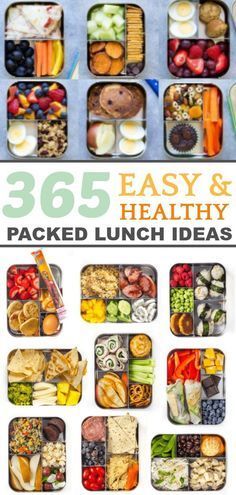
In the fast-paced world of technology, where deadlines loom and innovation never sleeps, the midday meal is often relegated to an afterthought—a sad desk salad or a vending machine protein bar. Yet, for peak cognitive performance, sustained energy, and metabolic health, a strategic approach to lunch is non-negotiable. Whether you are an agile startup founder, a remote developer, or a hybrid-office project manager, your nutritional choices directly impact your code quality, decision-making, and resilience. This guide presents a science-backed framework for building healthy lunches, tailored to the distinct rhythms of professional life. We move beyond generic advice, offering specific, scalable, and delicious solutions that respect your time and your health.
The Engineering Principle: Macronutrient Balance
Before diving into specific recipes, we must address the core architecture of any successful lunch. The common failure point is a reliance on simple carbohydrates, which cause a rapid glucose spike followed by a crashing trough—the infamous 3 PM slump. To counteract this, every meal should be structured around three pillars: lean protein for satiety and muscle repair, complex carbohydrates for sustained cognitive fuel, and healthy fats for hormone regulation and nutrient absorption.
Think of your plate as a product roadmap. Protein is the core feature—non-negotiable. Fiber is the user experience, ensuring smooth digestion. Fats are the optimization layer, enhancing long-term performance. The recipes below are optimized with this framework in mind, ensuring you remain in a state of “flow” rather than a state of “food coma.”
For the Remote Worker: The 15-Minute Desk Detox
Remote work offers flexibility, but it also blurs the lines between personal and professional time. You need lunches that are quick to assemble, require minimal clean-up, and can be eaten while reviewing pull requests. The goal is efficiency without sacrificing nutritional density.
Recipe 1: The “Git Commit” Grain Bowl
This is a modular recipe—think of it as a base branch you can customize. The key is to prep components on Sunday, then mix-and-match during the week.
- Base (Pre-cooked): 1 cup of quinoa or farro (high in magnesium and fiber).
- Protein (Rotating): 4 oz of rotisserie chicken, canned wild salmon, or firm tofu.
- Crunch: 1/2 cup of shredded purple cabbage and julienned carrots.
- Healthy Fat: 1/4 sliced avocado or a tablespoon of tahini.
- Acid (Dressing): 2 tbsp olive oil, 1 tbsp apple cider vinegar, and a pinch of smoked paprika.
Execution: Combine all ingredients in a large bowl. Toss thoroughly. This meal provides approximately 450-500 calories, 30g of protein, and a low glycemic load that will keep your glucose levels stable for hours of deep work. The prepping eliminates decision fatigue—the silent productivity killer.
For the On-the-Go Executive: The High-Performance Wrap
When your calendar is a series of back-to-back meetings, you need a lunch that is handheld, mess-free, and can be consumed in a moving vehicle or a boardroom without drawing attention. The wrap is an engineering marvel of portability.
Recipe 2: The “Deploy” Chicken & Hummus Wrap
Why it works: The combination of poultry and chickpea-derived protein creates a complete amino acid profile. The spinach provides iron, crucial for oxygen transport to the brain. One wrap clocks in at roughly 380 calories, leaving room for an afternoon fruit snack without derailing your metabolic goals.
For the Fitness-Focused: The Muscle Preservation Protocol
If you train during your lunch break or prioritize physical performance, your lunch must be high in protein and strategically timed for recovery. This is not about bulk; it is about precision. You require a meal that supports lean mass while minimizing inflammatory markers.
Recipe 3: The “Merge Conflict” Salmon Salad
Do not confuse this with a light, boring salad. This is a dense, nutrient-packed bowl that rivals any high-end bistro offering.
| Wild-caught salmon (grilled or air-fried) | 6 oz | 22g protein, high omega-3s for joint recovery |
| Baby kale & arugula mix | 3 cups | Vitamin K, antioxidants for oxidative stress reduction |
| Roasted sweet potato cubes | 1 cup | Complex carbs for glycogen replenishment |
| Pickled red onions | 2 tbsp | Probiotics for gut health |
| Lemon-tahini dressing | 3 tbsp | Calcium and vitamin C for absorption |
This meal is a carefully calibrated load of 550 calories. The ratio of protein to carbohydrate (roughly 1:1.5) is optimized for post-exercise anabolic recovery, while the leafy greens provide nitric oxide precursors to improve blood flow.
Meal Prep: The Automation Strategy
Consistency is the enemy of chaos. You cannot rely on willpower daily. Instead, implement a batch-cooking protocol every Sunday. Spend 90 minutes preparing the components below. Store them in separate glass containers, not mixed together, to prevent sogginess and maintain freshness.
- Protein: Grill two pounds of chicken thighs and one pound of salmon.
- Grain: Cook a large batch of quinoa or brown rice.
- Vegetables: Roast a sheet pan of broccoli, bell peppers, and zucchini with olive oil.
- Sauces: Whisk a jar of miso-ginger dressing and a jar of classic vinaigrette.
This ensures that assembling your daily lunch takes less than five minutes. The mental bandwidth saved is directly transferable to your technical work. Remember, a hungry brain is a distracted brain, but a brain overloaded with food decisions is equally inefficient. This system eliminates both variables.
The Final Build: Avoiding Common Pitfalls
Even with excellent recipes, subtle errors can undermine your efforts. Be vigilant about the following traps:
Your lunch is the most critical code commit of your day. It influences your mood, your output, and your long-term physical resilience. By adopting these structured, nutrient-dense recipes and prep protocols, you are not just eating well—you are optimizing your most valuable asset: your cognitive and physical performance. Make the investment. The ROI is immediate and compounding.