
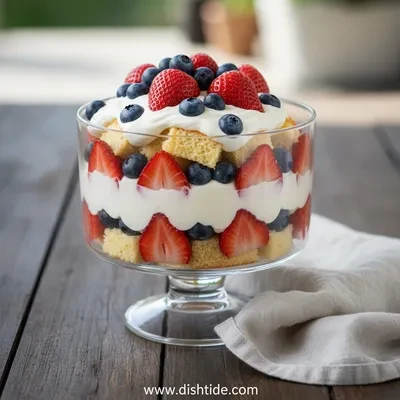
In the era of smart kitchens and precision baking, there remains an irreplaceable charm in crafting desserts from scratch. Homemade desserts are not merely about sugar and flour; they are about controlled ingredients, authentic flavor, and the satisfaction of creating something tangible in a digital world. For tech professionals accustomed to algorithms and data, baking is a delightful analog counterpoint—a system where variables like temperature and time produce predictable, yet deeply rewarding, outcomes. Below, we dissect five recipes that balance simplicity with sophistication, ensuring your next dessert becomes a signature achievement.
The Science of Perfect Texture: Brown Butter Chocolate Chip Cookies
Cookies are the entry point for many home bakers, but achieving a crisp edge with a chewy center is a matter of chemical precision. Browning the butter introduces nutty, caramelized notes while reducing its water content, which directly affects gluten development. This recipe leverages that reaction for a structurally superior crumb.
- Ingredients: 2 ¼ cups all-purpose flour, 1 tsp baking soda, 1 tsp sea salt, 1 cup unsalted butter (browned), ¾ cup granulated sugar, ¾ cup packed brown sugar, 2 large eggs (room temperature), 2 tsp vanilla extract, 1 ½ cups dark chocolate chunks.
- Method: Brown butter over medium heat until milk solids turn amber. Cool for 10 minutes. Whisk with both sugars until glossy. Add eggs and vanilla. Fold in dry ingredients and chocolate. Chill dough for 2 hours (critical for flavor development). Bake at 350°F for 11-13 minutes.
Pro tip from the lab: Use a digital kitchen scale for ingredient accuracy. A variance of even 5 grams in flour changes the hydration ratio, altering the final chew.
No-Churn Vanilla Bean Ice Cream: The Thermodynamic Approach
Traditional ice cream requires an ice cream maker, but a no-churn method exploits the stabilization properties of sweetened condensed milk and cold heavy cream. The result is a dense, scoopable texture without specialized equipment—ideal for engineers who appreciate efficient processes.
Why it works: The high sugar content in condensed milk lowers the freezing point, preventing an icy, brittle block. The air incorporated during whipping provides the creamy mouthfeel. For a tech twist, consider using a sous-vide circulator to pasteurize your own base—though this shortcut is remarkably forgiving.
Flourless Chocolate Lava Cakes: Precision in Every Second
Lava cakes are notoriously time-sensitive; the exterior must bake while the center remains molten. This recipe relies on ramekins and precise oven timing. The key variable is the resting period after baking—too long and the center sets, too short and the cake collapses. We recommend a probe thermometer inserted from the side (target: 160°F in the edges, 140°F in the core).
| Bittersweet chocolate (70%) | 200 g |
| Unsalted butter | 200 g |
| Eggs (whole + yolks) | 4 whole + 2 yolks |
| Sugar | 100 g |
| Flour | 2 tbsp (only for structure) |
Melt chocolate and butter together. Whisk eggs with sugar until pale ribbons form. Fold in chocolate mixture, then flour. Divide into six greased ramekins. Bake at 425°F for exactly 9 minutes. Let rest for 2 minutes—this is non-negotiable. Invert onto plates and serve immediately.
Classic New York Cheesecake with Berry Compote
A dense, crack-free cheesecake is the ultimate test of temperature management. The technique involves a water bath and a gradual cooling phase inside the oven. This method prevents the sudden thermal shock that causes surface fissures.
- Crust: 2 cups graham cracker crumbs, ½ cup melted butter, 3 tbsp sugar. Press firmly into a springform pan lined with parchment.
- Filling: 4 packages (32 oz) cream cheese, 1 ½ cups sugar, 1 cup sour cream, 4 large eggs, 1 tsp vanilla, 2 tbsp lemon juice.
Baking protocol: Set the oven to 325°F. Wrap the pan in two layers of heavy-duty foil. Place in a roasting pan with hot water halfway up the sides. Bake for 60-70 minutes until edges are set but center jiggles slightly. Turn off oven, leave the door cracked, and let the cake cool for 1 hour. Then refrigerate for 8 hours overnight. The slow descent in temperature allows the protein network to relax, yielding a silky, smooth slice.
Berry compote: Simmer 2 cups mixed berries with ¼ cup sugar and 1 tbsp lemon juice until thickened. Cool before spooning over—this introduces a bright acidic contrast to the rich dairy profile.
Matcha Mug Cake: A 90-Second Solution
For the impatient coder with a sweet tooth, the mug cake is a marvel of microwave physics. The key is even heating—use a large, wide mug to promote uniform energy absorption. Our recipe uses almond flour for a lower glycemic load and a softer crumb.
Mix in the mug: 2 tbsp almond flour, 1 tbsp matcha powder, 1 tbsp sugar, ¼ tsp baking powder, 1 egg, 1 tbsp melted coconut oil, 1 tbsp milk. Stir until smooth. Microwave on high for 90 seconds. The cake will rise and then settle slightly—this is normal. Let cool for 3 minutes before eating. The matcha’s L-theanine provides a gentle focus, making this a post-dinner coding session companion.
Troubleshooting Common Dessert Failures
Even with precise formulas, variables shift. Here is a decision tree for the most frequent issues:
| Cookies spread too thin | Butter too warm or chilled dough skipped | Rest dough in freezer for 15 minutes prior to baking |
| Cheesecake cracked | Over-baked or cooled too quickly | Decrease bake time by 5 minutes; keep oven door open for longer |
| Lava cake runny | Rested in ramekin too long | Serve within 3 minutes of invert |
Remember, baking is a reproducible experiment. Document your variables—ambient humidity, flour brand, oven calibration. Treat each failure as a data point. With these recipes, your kitchen becomes a development environment for taste, and every dessert you produce is a successful deployment—warm, homemade, and universally loved.