
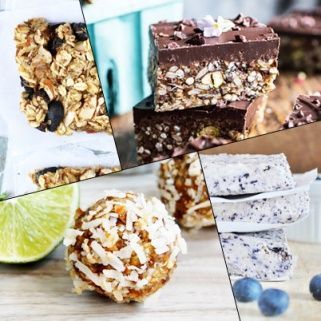
Easy Homemade Snack Recipes: A Technical Guide to Optimized Fueling

In the fast-paced world of software development, data analysis, and systems engineering, nutrition is often treated as an afterthought—a quick vending machine hit between sprints or a caffeine-and-carb crash waiting to happen. However, the modern tech professional understands that cognitive performance, sustained energy, and metabolic stability are directly correlated with food quality. This article provides a systematic, repeatable framework for crafting easy homemade snack recipes that prioritize nutrient density, glycemic control, and operational efficiency. No more processed bars with unpronounceable ingredients. We are engineering snacks for uptime.
Why Processed Snacks Are a Performance Bottleneck
Convenience foods are engineered for shelf life, not for your neural network. High-fructose corn syrup, refined flours, and industrial seed oils cause rapid glucose spikes followed by reactive hypoglycemia—the dreaded 3 PM crash. This leads to decreased coding accuracy, impaired problem-solving, and increased error rates in complex logic. By contrast, homemade snacks allow for precise macronutrient control: you dictate the fiber-to-sugar ratio, the protein content for satiety, and the healthy fat profile for sustained neurotransmitter production.
Moreover, the cost-per-unit of homemade snacks is significantly lower. A batch of energy bites costing $4 yields 12–16 servings, versus $2–$3 per single packaged bar. From a DevOps perspective, this is a high-leverage optimization of your personal infrastructure.
Core Nutritional Parameters for Cognitive Work
Before diving into recipes, establish your engineering requirements. Your snack should meet the following technical specifications:
- Glycemic Load under 15: Prevents insulin overreaction and maintains stable blood glucose.
- Protein 5–10g per serving: Supports neurotransmitter synthesis (dopamine, norepinephrine) and delays gastric emptying.
- Fiber 3–5g per serving: Modulates glucose absorption and promotes gut microbiome diversity, which is linked to mood regulation.
- Healthy Fats 8–12g: Provides ketone bodies for alternative brain fuel and supports lipophilic vitamin absorption (A, D, E, K).
- Prep Time under 20 minutes: Must fit into a sprint, not a release cycle.
Recipe One: No-Bake Seed & Berry Energy Matrix
This recipe functions as a high-density, portable fuel source. The chia seeds provide omega-3 fatty acids (ALA) and soluble fiber that forms a gel in the gut, slowing carbohydrate absorption. The almond butter offers vitamin E and magnesium—critical for muscle function and stress response. The frozen berries are low on the glycemic index while providing anthocyanins, which have been shown to improve cerebral blood flow.
Technical Specifications
- Yield: 16 units
- Calories per unit: 185 kcal
- Macros per unit: 7g protein | 15g fat | 12g carbs (6g fiber)
- Storage: Refrigerated, up to 10 days
Ingredients (Mass-Based for Accuracy)
- 180g rolled oats (gluten-free certified if required)
- 140g unsweetened almond butter
- 90g honey or maple syrup (optional for vegans)
- 60g chia seeds
- 50g freeze-dried raspberries (crushed)
- 30g unsweetened shredded coconut
- 5g vanilla extract
- 2g fine sea salt
Procedural Workflow
Recipe Two: Roasted Chickpea & Tahini Crunch
This recipe delivers savory satisfaction without the sodium overload of commercial trail mixes. Chickpeas provide plant-based protein and resistant starch, which ferments in the colon to produce short-chain fatty acids (butyrate) that support gut integrity. The tahini (sesame paste) adds a rich source of copper and manganese, essential for antioxidant enzyme function.
Technical Specifications
- Yield: 8 servings (approx. 80g each)
- Calories per serving: 210 kcal
- Macros per serving: 9g protein | 12g fat | 18g carbs (7g fiber)
- Shelf life: 5 days at room temperature in an airtight container
Ingredients
- 800g canned chickpeas (drained and rinsed thoroughly)
- 45g tahini (stir well before measuring)
- 20g extra-virgin olive oil
- 10g lemon juice (freshly squeezed)
- 5g smoked paprika
- 3g ground cumin
- 2g garlic powder (not garlic salt)
- 1g cayenne pepper (optional for heat)
- Pinch of black pepper
Procedural Workflow
Comparative Nutritional Analysis
| Primary fuel source | Complex carbs + fats | Protein + resistant starch |
| Glycemic response | Low (fiber slow-release) | Very low (minimal sugar) |
| Protein quality | Moderate (legume + seed complement) | High (complete plant protein) |
| Best consumed | Pre-deep work session | Post-meeting or during debugging |
| Allergen profile | Contains tree nuts (almond) | Contains sesame (tahini) |
| Packaging requirement | Refrigerated, compressed | Room temp, brittle |
Operational Advice for Long-Term Adherence
To integrate these recipes into your routine without friction, treat preparation as a scheduled infrastructure deployment. Dedicate 60 minutes each Sunday to batch-cooking. Use a food scale for accuracy, and label your containers with the date and macronutrient overview. Immediately portion into single-serving bags or silicone containers—this removes decision fatigue during high-focus hours. Finally, keep a backup batch in the freezer (for the energy matrix) or in a dry pantry (for the chickpeas) to ensure you never default to a suboptimal snack.
Homemade snacks are not about gourmet indulgence; they are about control, predictability, and optimizing your biological operating system. By following these documented recipes, you eliminate dietary unpredictability and ensure that your glucose curves remain flat, your energy reserves stay full, and your code remains clean.