
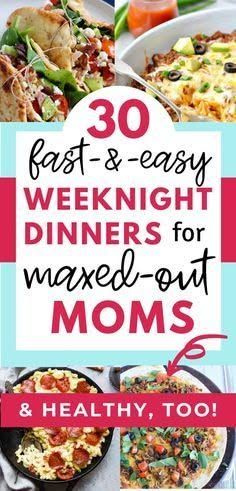
In the relentless rhythm of modern family life, the dinner hour often becomes a battleground between nutritional ideals and the stark reality of limited time. Between school runs, extracurricular activities, and professional obligations, the siren call of takeout or processed convenience foods is loud. Yet, as a tech professional knows, the most efficient systems are built on smart architecture, not on last-minute scrambling. The same principle applies to the family kitchen. By leveraging strategic planning, batch preparation, and a repertoire of versatile, nutrient-dense recipes, you can deliver wholesome, delicious meals that fuel your family’s day without sacrificing your evenings. This guide provides a systematic framework for conquering weeknight dinners with ease and nutritional integrity.
The Core Architecture: Strategic Meal Planning
Effective meal preparation begins long before the stove is turned on. The most significant time-saving leverage lies in a 30-minute weekly planning session. This is not about rigid, minute-by-minute scheduling, but rather about creating a flexible blueprint. Start by auditing your family’s weekly commitments. Identify the two or three nights that are most chaotic—these are designated for “speed meals” (15-20 minutes total). The remaining nights can accommodate slightly longer cooking times or slow-cooker preparations. When selecting recipes, prioritize those with a high “leftover quotient.” A single batch of roasted vegetables or grilled chicken breast can be repurposed into salads, wraps, or grain bowls for lunch the following day, effectively double-dipping your effort.
Digital Tools for the Modern Kitchen
In the spirit of professional efficiency, utilize technology to your advantage. Shared digital note-taking apps (e.g., Notion, Evernote) are excellent for maintaining a synced grocery list and centralizing family meal preferences. Recipe management platforms like Paprika or Mealime can scrape web recipes, scale ingredient quantities, and even generate shopping lists based on your selections. This eliminates the cognitive load of “what’s for dinner?” and ensures that your physical grocery run is a surgical strike, not a scavenger hunt. Automation here is not a luxury; it is the cornerstone of consistency.
Batch Cooking: The Compiler for Your Week
Consider batch cooking as your weekly “compile” session—a block of 90 minutes on a Sunday afternoon can yield significant dividends. The goal is not to cook complete meals, but to prepare foundational components that can be assembled in various configurations. This approach provides variety without redundant effort.
| Whole Grains (Quinoa, Brown Rice, Farro) | Cook a large pot, then spread on a baking sheet to cool quickly. Store in airtight containers. | Grain bowls, side dishes, fried rice, cold salads with vinaigrette. |
| Proteins (Chicken Thighs, Ground Turkey, Lentils) | Roast a sheet pan of seasoned chicken thighs or brown a large batch of lean ground turkey with onions and garlic. | Wraps, tacos, salads, pasta sauces, or simple protein + veggie plates. |
| Roasted Vegetables (Broccoli, Bell Peppers, Sweet Potatoes) | Chop and toss with olive oil, salt, and pepper. Roast at 425°F (220°C) for 20-25 minutes until caramelized. | Omelets, pizza toppings, grain bowl bases, or a quick side dish with hummus. |
| High-Efficiency Sauces (Vinaigrette, Pesto, Tahini-Lemon) | Whisk or blend large batches of dressings and sauces. | Marinades, drizzle over proteins, salad dressings, or as a dip for raw vegetables. |
By treating these components as lego bricks, you can create a unique meal each night with less than 15 minutes of active cooking. The psychological benefit is immense: you are never starting from zero.
The 15-Minute Assembly Line: Speed Meals
For those nights when the schedule is impossibly tight, focus on assembly rather than cooking. A “speed meal” relies on high-quality, minimally processed shortcuts from your batch prep or from the refrigerator aisle.
Sheet Pan Technology
The sheet pan is the quintessential tech gadget for the busy cook. It offers a platform for concurrent cooking with minimal cleanup. Combine a protein (e.g., 1-2 lbs of salmon fillets or Italian sausage) with pre-chopped hardy vegetables (Brussels sprouts, red onion, baby potatoes). Season generously with a dry rub or a simple mixture of olive oil, smoked paprika, and garlic powder. Roast at 400°F (200°C) for 20-25 minutes. The result is a complete, balanced meal with one pan to wash.
The Power of the Grain Bowl
Standardize the grain bowl formula: Base (cooked quinoa or brown rice) + Protein (leftover chicken, canned chickpeas, or a quick-cooked egg) + Crunch (shredded cabbage, cucumber, or toasted seeds) + Sauce (pre-batched vinaigrette or tahini). This is not a recipe; it is a protocol. Different combinations of components yield distinct cuisines—from a Mediterranean profile with feta and olives to an Asian profile with soy-ginger dressing and edamame. The variety is endless, but the effort remains constant.
Priority Nutrition: Fueling Cognitive Performance
For families, healthy eating is not merely a dietary choice; it is an investment in cognitive and physical performance. The meals we prepare should prioritize lean proteins for satiety and muscle repair, complex carbohydrates for sustained energy, and healthy fats for brain function. Favor whole food ingredients over ultra-processed items that often contain hidden sugars, sodium, and artificial additives. When purchasing convenience items like pre-shredded cheese or store-bought broth, read the labels critically. Opt for versions with a short ingredient list and recognizable components. Similarly, strategic use of frozen vegetables—which are typically flash-frozen at peak ripeness—offers superior nutritional density compared to fresh produce that has spent days in transit.
Establishing Sustainable Protocols
Finally, the best system is one that is sustainable and flexible. Do not aim for perfection. Life will inevitably throw a curveball—a last-minute meeting or a lost soccer cleat. Hence, always maintain a “break glass in case of emergency” meal kit in your pantry. This kit might contain canned beans, whole-wheat pasta, a jar of quality marinara, and frozen meatballs. This ensures you are never more than 20 minutes away from a nutritious meal, effectively eliminating the excuse for fast food. This architectural approach—combining forward planning, component cooking, and versatile assembly—transforms the nightly dinner rush from a source of stress into a streamlined, successful routine. Your family’s health deserves that efficiency.