
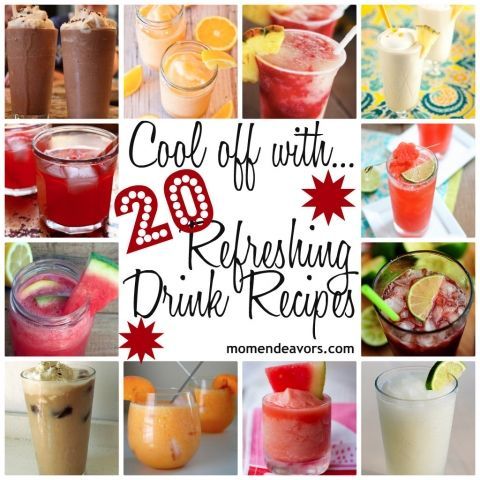
Refreshing Homemade Beverage Recipes: A Technical Guide to Flavor Optimization

In the modern era of culinary science, the art of crafting homemade beverages has evolved far beyond simple mixing. As a tech-minded enthusiast, you understand that precision, repeatability, and data-driven experimentation are the keys to perfect output. This guide presents a series of refreshing, science-backed recipes that leverage temperature control, acid-base balance, and osmotic principles to deliver superior hydration and sensory satisfaction. Below, we deconstruct each formulation with exact ratios and procedural notes.
The Fundamentals of Beverage Engineering
Before diving into specific recipes, it is critical to understand three core variables that dictate final quality: solvent temperature, solute saturation point, and carbonation pressure. For non-carbonated drinks, rapid chilling (0–4°C) reduces molecular kinetic energy, which mutes bitter notes while amplifying sweet and umami receptors. For carbonated versions, target a dissolved CO₂ volume of 2.5–3.0 to achieve a sharp, clean bite without overwhelming acidity.
Ingredient Purity and Water Chemistry
Do not underestimate the influence of water hardness. Use filtered or distilled water with a total dissolved solids (TDS) level below 50 ppm. High mineral content (calcium, magnesium) can react with organic acids in fruit, causing undesirable precipitation and a chalky mouthfeel. If using tap water, run it through a reverse osmosis filter and re-mineralize with a pinch of sea salt to restore electrolyte balance.
Recipe 1: Cucumber-Mint Electrolyte Infusion
This recipe is designed for post-workout rehydration, utilizing isotonic properties to optimize cellular uptake. The cucumber provides silica and potassium, while mint acts as a natural vasodilator, improving peripheral circulation.
Formulation Parameters
- Base volume: 1 liter
- Target osmolality: 290–310 mOsm/L
- Temperature window: 4°C serving
Ingredients (Exact Metrics)
- 1 medium cucumber (approximately 250 g), peeled and seeded
- 20 fresh mint leaves (Mentha spicata)
- 30 ml freshly squeezed lime juice (pH ~2.0)
- 15 g raw honey (invert sugar for faster absorption)
- 2 g fine sea salt
- 800 ml cold filtered water
- 200 g ice cubes (for rapid cooling without dilution)
Procedure
Pro tip: For enhanced stability, add 0.1% (by weight) ascorbic acid (vitamin C) to prevent enzymatic browning and maintain the vibrant green color.
Recipe 2: Hibiscus-Ginger Cold Brew with Controlled Acidity
This beverage leverages the anthocyanin pigments in hibiscus (Hibiscus sabdariffa) for a deep ruby hue and high antioxidant capacity. The ginger root contributes gingerol, which has anti-inflammatory properties. The key here is balancing the naturally tart pH (2.8–3.2) with a neutralizer to achieve a palatable acidity index.
Comparative Data: Sweetener Options
| Monk Fruit Extract | 200x | 0 | Clean, no aftertaste |
| Erythritol | 0.7x | 1 | Cooling effect, slight metallic note |
| Agave Nectar | 1.5x | 30 | Earthy, caramel undertone |
| Stevia (Reb A) | 300x | 0 | Bitter at high conc., licorice note |
For this recipe, we recommend monk fruit extract due to its zero-calorie profile and neutral flavor matrix, allowing the botanical complexity to remain unaltered.
Ingredients
- 15 g dried hibiscus petals
- 40 g fresh ginger, thinly sliced (2 mm thickness)
- 1 liter of water, heated to 85°C (not boiling)
- 0.5 g monk fruit extract (or 1.2 g liquid stevia)
- Zest of 1 orange (optional, adds limonene)
Procedure (Cold Brew Method)
For a carbonated variant, transfer the cold brew to a siphon charger and charge with two CO₂ cartridges (8 g each). The resulting effervescence lifts the aromatic ginger volatiles effectively.
Recipe 3: Fermented Lemon-Basil Shrub (Drinking Vinegar)
Scientifically, a shrub is a non-alcoholic syrup preserved with acetic acid. This ancient technique creates a probiotic-rich, thirst-quenching base that can be mixed with sparkling water. The fermentation process converts simple sugars into organic acids, yielding a complex tanginess that is both refreshing and gut-friendly.
Quality Control Benchmarks
- Acetic acid concentration: 5–6% by volume (verify with a titration test kit)
- Fermentation duration: 72 hours at 21°C (±1°C)
- pH endpoint: 2.8–3.0
Ingredients
- 500 g lemon (including pith, for pectin and citrus oils)
- 250 g granulated white sugar (for osmotic pressure)
- 50 g fresh basil leaves (Thai basil preferred for licorice notes)
- 300 ml raw apple cider vinegar (with “mother” culture)
- 100 ml water
Procedure
To serve: Mix 30 ml of shrub with 180 ml of cold sparkling water (CO₂ at 3.0 volume) and a sprig of fresh basil for garnish. This yields a zero-proof, low-calorie aperitif with a balanced acid-sweet ratio of 1:1.2.
Performance Optimization and Storage
Short-Term vs. Long-Term Storage
For optimal volatile compound retention (mint, basil, ginger), consume all beverages within 48 hours of preparation. If storing longer, use amber glass bottles with a nitrogen-flush before sealing to displace oxygen. Avoid plastic containers, as PET can absorb lipophilic flavor compounds and release microplastics over time.
Rapid Chilling Matrix
To accelerate cooling without changing concentration, use a stainless steel cooling coil rather than ice. A coil immersed in the beverage and filled with a glycol-water mixture at -2°C can achieve a target 4°C in under 6 minutes, as opposed to 30+ minutes with an ice bath. This preserves carbonation and prevents over-dilution in non-static recipes.
Final Verdict: The Data Speaks
By applying these precise formulations, you will not only produce beverages that are sensorially superior but also nutritionally optimized. The cucumber-mint infusion offers ideal electrolyte absorption; the hibiscus-ginger provides a low-glycemic antioxidant load; and the shrub delivers a viable probiotic source. Each recipe is reproducible with consistent output, making them perfect for batch testing, recipe scaling, or integration into a smart beverage auto-creation system.
Experiment with one variable at a time—change the sweetener, alter the steeping time, or adjust CO₂ pressure—and record your observations. This technocratic approach to homemade refreshment allows you to move from guesswork to precise, engineering-grade flavor science. Cheers to data-driven hydration.