
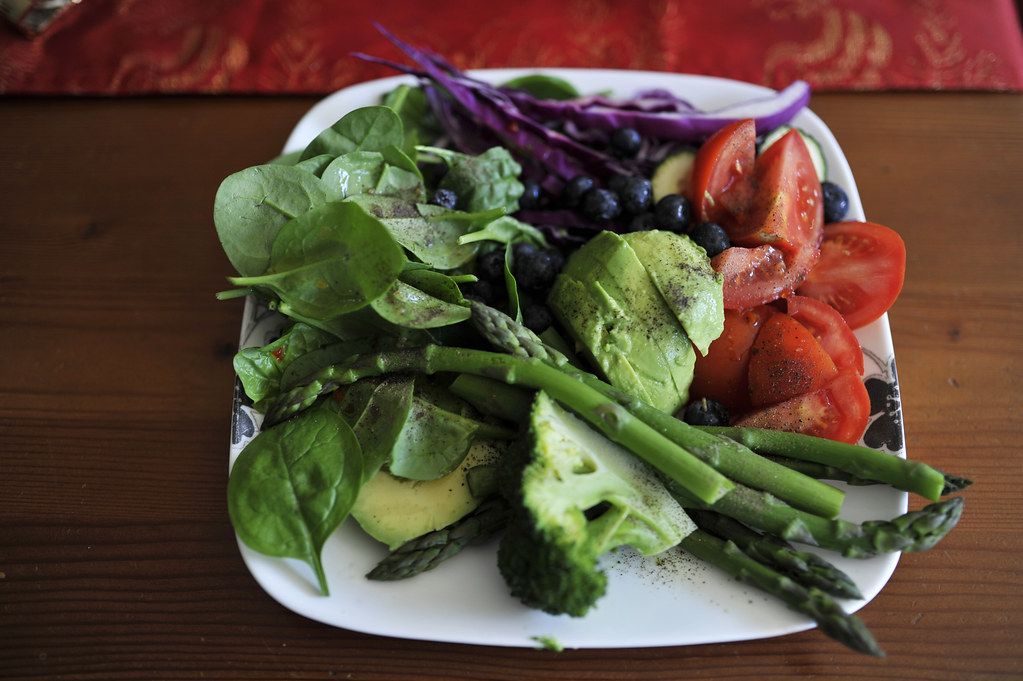
In the rapidly evolving landscape of nutritional science and biohacking, the concept of “diet” has shifted from restrictive calorie counting to strategic nutrient optimization. For tech professionals, entrepreneurs, and knowledge workers, the brain is the primary asset, and the gut is its operational engine. The foods you consume on a daily basis directly modulate cognitive function, energy stability, immune resilience, and even genomic expression through epigenetic pathways. Below, we dissect the highest-leverage, evidence-based foods that should form the architectural foundation of your daily nutritional protocol.
The Cognitive Powerhouse: Omega-3 Rich Fatty Fish
Docosahexaenoic acid (DHA), a long-chain omega-3 fatty acid, constitutes approximately 30% of the phospholipids in the human brain’s grey matter. Inadequate DHA intake is correlated with accelerated cognitive decline and impaired synaptic plasticity. Fatty fish—specifically wild-caught salmon, sardines, mackerel, and anchovies—provide the most bioavailable form of these critical fats.
From a functional perspective, omega-3s reduce neuroinflammation, support the integrity of the blood-brain barrier, and enhance dopaminergic signaling. For those operating in high-stakes, high-cognitive-load environments, this translates to sharper working memory and improved executive function. Clinical protocols suggest a minimum of 250-500 mg of combined EPA and DHA daily. If you consume fish less than three times per week, consider a high-quality, third-party-tested fish oil or algal oil supplement to bridge the gap.
Practical Integration Strategy
- Breakfast: Smoked salmon over a bed of spinach and quinoa.
- Lunch: Sardines in olive oil with a squeeze of lemon and a side of fermented vegetables.
- Dinner: Baked mackerel with rosemary and a side of roasted cruciferous vegetables.
Leafy Greens: The Mitochondrial Activator
Dark, leafy greens—spinach, kale, Swiss chard, and collard greens—are arguably the most nutrient-dense foods per calorie on the planet. Their value transcends basic vitamins and minerals; they are a primary source of dietary nitrates. Once ingested, nitrates are converted to nitric oxide, a potent vasodilator that improves blood flow to skeletal muscles and the prefrontal cortex. Enhanced nitric oxide production has been linked to lower blood pressure and a significant reduction in the oxygen cost of exercise, effectively boosting physical and mental endurance.
Furthermore, these greens are rich in lutein and zeaxanthin, carotenoids that accumulate in the macula of the eye and the brain, where they act as structural antioxidants. Studies have shown that higher levels of lutein are associated with faster processing speed and better verbal fluency in older adults, suggesting that daily consumption is a long-term cognitive insurance policy.
Fermented Foods: The Gut-Brain Axis Modulator
The enteric nervous system, often termed the “second brain,” communicates bidirectionally with the central nervous system via the vagus nerve. A dysbiotic gut microbiome—characterized by low microbial diversity—is a precursor to systemic inflammation and mood disorders. Fermented foods such as kefir, kimchi, sauerkraut, miso, and kombucha introduce beneficial probiotic strains directly into the gastrointestinal tract.
Beyond probiotics, these foods often contain biogenic amines and postbiotics that modulate immune tolerance. A landmark 2021 study published in Cell demonstrated that a diet high in fermented foods increased microbiome diversity and decreased markers of inflammation, while a high-fiber diet alone did not produce the same magnitude of immune-modulating effects. For optimal results, incorporate at least one serving of unpasteurized fermented food daily, ensuring the label states “live cultures” or “raw.”
Berries: The Flavonoid Neuroprotectant
Blueberries, blackberries, strawberries, and raspberries are potent sources of anthocyanins—water-soluble pigments that possess remarkable antioxidant and anti-inflammatory properties. Unlike synthetic supplements, the polyphenolic matrix in berries is designed for optimal absorption and synergistic activity. Chronic intake of berries has been shown to delay age-related cognitive decline by up to 2.5 years in epidemiological studies.
Mechanistically, anthocyanins activate the Nrf2 pathway, which upregulates the production of endogenous antioxidant enzymes. They also inhibit acetylcholinesterase, the enzyme responsible for breaking down acetylcholine, thereby supporting memory retention. A practical daily dose is one cup of mixed berries, preferably frozen if fresh is unavailable, as freezing preserves their polyphenol content effectively.
Nuts and Seeds: The Stable Energy Source
Nuts—particularly walnuts, almonds, and Brazil nuts—along with seeds like flax, chia, and hemp, provide a dense matrix of healthy monounsaturated fats, plant-based proteins, and essential minerals. Walnuts are unique in that they contain a significant amount of alpha-linolenic acid (ALA), a plant-based omega-3. Brazil nuts are the richest dietary source of selenium; just two nuts per day meets the recommended daily allowance, supporting thyroid function and antioxidant defense.
In the context of sustained energy, the combination of fiber, fat, and protein ensures a low glycemic index, preventing the mid-afternoon blood sugar crashes that lead to reduced productivity. A portable, 30-gram serving (roughly a handful) serves as the ideal snack for the modern remote worker who requires consistent neural output without the insulin spike caused by refined carbohydrates.
Cruciferous Vegetables: The Detoxification Catalyst
Broccoli, broccoli sprouts, cauliflower, cabbage, and Brussels sprouts contain glucosinolates, sulfur-containing compounds that are hydrolyzed into isothiocyanates, such as sulforaphane. Sulforaphane is a powerful activator of the Nrf2 pathway, promoting the expression of phase II detoxification enzymes that neutralize carcinogens and free radicals. This makes cruciferous vegetables critical for cellular health and longevity.
Optimization tip: To maximize sulforaphane yield, chop or chew the vegetable thoroughly and allow it to rest for 10 minutes before cooking. This activates the myrosinase enzyme, which is destroyed by high heat. A light steam (3-4 minutes) preserves this enzyme while maintaining palatability.
Strategic Implementation: A Daily Template
To achieve clinical efficacy without overwhelming your routine, employ the following evidence-based daily structure. The goal is not perfection, but consistent nutrient density.
| Breakfast | Greek yogurt (fermented) + 1 cup blueberries + 2 tbsp flaxseed | Microbiome support & cognitive longevity |
| Mid-Morning | 10 walnuts + 2 Brazil nuts | Selenium load & sustained energy |
| Lunch | Large spinach salad + 150g wild salmon + 100g kimchi | Omega-3 intake & vasodilation |
| Afternoon | 1 cup of steamed broccoli sprouts | Nrf2 activation & liver detox |
| Dinner | Baked mackerel + roasted Brussels sprouts + 1 cup kefir | Protein synthesis & gut alignment |
Adopting these foods is not a dietary fad but a calculated investment in your physiological hardware. The synergistic interplay of omega-3s, polyphenols, probiotics, and organosulfur compounds creates a biological environment that resists inflammation, optimizes neuroplasticity, and regulates metabolic flexibility. Begin by integrating one food group per week, and monitor your subjective energy, focus, and digestive ease. Within two to three weeks, the cumulative effect of these micronutrient-dense additions will become objectively measurable—both in your code quality and your daily vitality.