
Navigating the produce aisle has become a complex decision-making process. With mounting evidence about pesticide residues, environmental sustainability, and nutritional density, the choice between conventional and organic produce is no longer a simple preference—it is a strategic investment in long-term health. However, organic certification is not a monolithic standard. Understanding the nuances of labeling, seasonality, and the actual risk profile of different crops will empower you to make informed, cost-effective decisions. This guide provides a professional, data-driven framework for purchasing organic fruits and vegetables without falling for marketing hype.
Why Organic Matters: Beyond the Label
The core principle of organic farming is a systems-based approach to agriculture that prioritizes soil health, biodiversity, and ecological balance. For the consumer, this translates into tangible differences in three critical areas: pesticide exposure, nutritional profile, and environmental impact.
Pesticide Residue and Human Health
Conventional agriculture relies on synthetic pesticides and herbicides, many of which are designed to be persistent. The Environmental Working Group (EWG) consistently identifies a “Dirty Dozen” of produce items that retain the highest levels of these residues even after washing. While the regulatory limits are set below acute toxicity thresholds, chronic, low-level exposure—particularly to endocrine disruptors like organophosphates—has been linked to adverse neurological and reproductive outcomes. Organic farming prohibits these synthetic inputs, significantly reducing your dietary toxic load. Crucially, organic does not mean pesticide-free; it means the pesticides used are derived from natural sources and are subject to rigorous, yet different, safety assessments.
Nutritional Density and Phytochemical Content
Emerging research suggests that organic cultivation methods can influence secondary metabolite production in plants. Under stress from pests or variable weather, without synthetic chemical support, plants produce higher levels of protective antioxidants, such as polyphenols and flavonoids. A 2024 meta-analysis in Critical Reviews in Food Science and Nutrition confirmed that organic crops had significantly higher concentrations of certain antioxidants and lower levels of cadmium, a toxic heavy metal, compared to conventional counterparts. While the absolute differences may be modest, they are biologically meaningful over a lifetime of consumption.
Environmental Stewardship
From a systemic perspective, purchasing organic supports agricultural practices that build soil organic matter, reduce water contamination, and enhance biodiversity. This is not a personal health benefit, but a collective one. By voting with your wallet, you are funding a food system that sequesters carbon and protects pollinator populations—an infrastructure that will determine future food security.
The Strategic Buying Framework: Prioritization and Budget Allocation
Not all produce is created equal in terms of contamination risk. A strict 100% organic pantry is ideal but financially prohibitive for many. The most efficient strategy is to use a risk-tiered approach based on the structural characteristics of the fruit or vegetable.
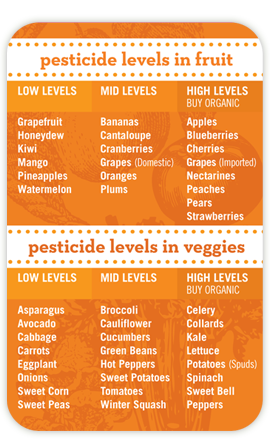
The “Dirty Dozen” – Always Buy Organic
These items have thin, delicate skins or are consumed whole, making them highly susceptible to pesticide absorption. Prioritize your organic budget here.
- Strawberries – historically the highest residue count.
- Spinach – leaves act like a sponge for systemic pesticides.
- Kale and Collard Greens – high leaf surface area and dense structure.
- Peaches and Nectarines – thin skin with high uptake.
- Apples and Grapes – year-round residue persistence.
- Cherries and Blueberries – consumed skin-on, with no peeling option.
- Bell Peppers and Hot Peppers – high residue variability.
- Cucumbers – waxy skin, but systemic absorption occurs.
- Celery and Tomatoes – high water content and thin skins.
The “Clean Fifteen” – Conventional is Acceptable
These crops have thick, inedible outer layers that shed pesticide residues, or their growing methods require minimal chemical intervention. You can safely source these conventionally to save money.
- Avocados and Pineapples – impermeable thick rinds.
- Onions and Corn – protective outer layers (peel corn husks).
- Mangoes and Papayas – thick skin, discarded during prep.
- Sweet Peas (frozen) – protective pod.
- Asparagus and Cabbage – tightly packed layers resist penetration.
- Eggplant and Melons (Honeydew, Cantaloupe) – thick rinds.
- Kiwi, Cauliflower, and Broccoli – lower residue risk on the edible portion.
Decoding Organic Labels: Terminology and Certification
Not every green label is equal. The United States Department of Agriculture (USDA) National Organic Program (NOP) is the gold standard, but nuance exists in the marketplace.
| 100% Organic | All ingredients (excluding water and salt) are certified organic. | Single-ingredient produce with this label is highest integrity. Best choice for whole fruits and vegetables. |
| USDA Organic | At least 95% organic content; the remaining 5% must be from an approved national list of non-organic substances. | The standard certification for most fresh produce. Optimal balance of regulation and availability. |
| Made with Organic Ingredients | At least 70% organic ingredients. No organic seal is allowed. | Rarely applicable to fresh produce; more common in processed foods. Do not confuse this with whole produce. |
| Natural / No Pesticides | Unregulated or weak third-party claims. Does not require soil health standards or on-farm audits. | This is marketing language. Without the USDA seal, you have no assurance of organic compliance. |
Pro Tip: Look for the PLU (Price Look-Up) code on the produce sticker. A 5-digit code starting with “9” indicates organic. A “4” prefix indicates conventionally grown. An “8” prefix (GMO) is rarely used in retail, but be aware of it.
Practical Sourcing: Seasonality, Farmers’ Markets, and Storage
Buying organic is only half the equation; proper sourcing and handling preserve both nutritional value and your budget.
Seasonal Purchasing is Non-Negotiable
Off-season organic produce is often shipped from distant countries where certification standards may be weaker, and it suffers from nutrient degradation during transport. Instead, prioritize what is in local season. During winter, choose organic root vegetables, citrus, and storage crops. During summer, buy organic berries and stone fruits at peak ripeness. This approach maximizes flavor, nutrition, and typically reduces cost by 20–35% compared to off-season imports.
Farmers’ Markets: Direct Verification
Purchasing from a certified organic farmer at a local market allows you to ask direct questions about farming practices. You can investigate whether they use plastic mulch (allowed but not ideal), crop rotation, and biodynamic preparations. While the USDA seal remains the safest benchmark, a transparent farmer often exceeds the minimum organic requirements. Furthermore, buying in bulk (“seconds” or “ugly” produce) at these venues can yield 50% savings for immediate consumption or freezing.
Storage and Preparation Methodology
Even organic produce can harbor soil-borne pathogens. The following protocol is essential:
Cost Optimization: Where to Invest, Where to Save
A pragmatic budget allocation rule is to assign 70% of your produce budget to organic for the “Dirty Dozen” and high-frequency staples (lettuce, potatoes), and 30% to conventional for the “Clean Fifteen” and tropical fruits. Additionally, consider buying organic frozen vegetables. Flash-freezing occurs within hours of harvest, often preserving higher vitamin C and B-vitamin levels than “fresh” produce that has spent 10 days in a supply chain. Frozen organic spinach, peas, and berries are frequently 40% cheaper than their fresh counterparts and offer zero waste.
Ultimately, the organic buying guide is not about fear—it is about precision. By understanding residue data, certification tiers, and seasonal rhythms, you transform your grocery shopping from a passive activity into an active, health-protective strategy. You are not just buying food; you are funding a system that regenerates soil, reduces your toxic burden, and nourishes your body at the cellular level. Make your choices count.