
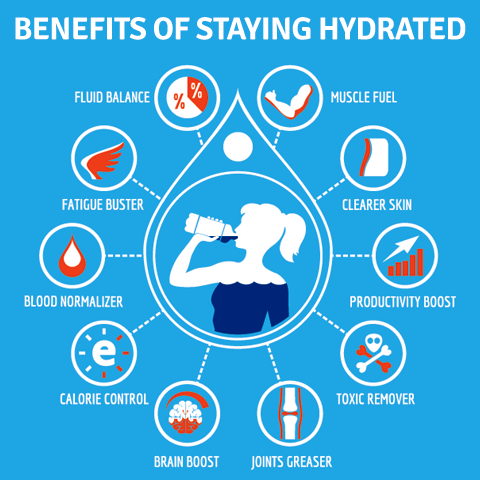
Water is the cornerstone of life, constituting roughly 60% of the human body and regulating everything from temperature to cognitive function. Yet, in our fast-paced digital world, plain water often takes a backseat to sugary sodas, energy drinks, and over-caffeinated coffee. While these may provide a temporary boost, they often lead to dehydration, energy crashes, and long-term metabolic stress. For the tech-savvy professional who values optimization and performance, hydration is not just a biological necessity—it is a strategic advantage. This article explores science-backed, healthy beverages that transcend the ordinary, offering superior hydration without compromising your health or your focus.
Why Hydration Is a Performance Multiplier
Before diving into specific beverages, it is critical to understand that even mild dehydration—as little as 2% loss of body water—can impair attention, memory, and motor coordination. For those who spend hours coding, analyzing data, or in virtual meetings, this cognitive decline is a direct threat to productivity. Moreover, chronic dehydration contributes to fatigue, headaches, and poor skin health. Replacing sugary drinks with nutrient-dense hydrators is one of the most effective, low-cost interventions for both physical and mental performance.
Coconut Water: The Natural Electrolyte Solution
Often lauded as “nature’s sports drink,” coconut water is exceptionally rich in potassium, magnesium, sodium, and calcium—electrolytes lost through sweat and daily metabolic processes. Unlike commercial sports beverages that are laden with artificial colors and high-fructose corn syrup, coconut water provides a clean, isotonic profile that facilitates rapid fluid absorption at the cellular level.
For daily hydration, opt for unsweetened, pure coconut water. A 240ml serving typically contains around 45-60 calories, making it a light yet effective choice. The subtle sweetness comes from naturally occurring sugars, which are balanced by the mineral matrix, preventing the insulin spikes associated with refined sugars. Consuming coconut water post-exercise or during a demanding work session can restore electrolyte balance without the jittery side effects of caffeine.
Infused Water: Flavor Without the Caloric Load
Plain water can become monotonous, leading many to reach for flavorless carbonated sodas. Infused water—also known as spa water—offers a sensory upgrade with negligible calories. By steeping fruits, vegetables, and herbs, you create a beverage that encourages higher intake while delivering trace vitamins and antioxidants.
Popular combinations include cucumber-mint, lemon-ginger, and strawberry-basil. The key is to allow the ingredients to steep for at least two hours in cold water to extract their volatile compounds. Unlike juice, infused water does not contain significant fructose, making it suitable for those monitoring blood sugar or insulin sensitivity. This method increases your daily water consumption exponentially, which directly supports kidney function, lymphatic drainage, and skin elasticity.
Green Tea: Hydration and Antioxidant Synergy
While coffee is a diuretic in high doses, green tea offers a moderate caffeine content (about 30-50mg per cup) that is balanced by the amino acid L-theanine. This unique combination promotes a state of calm alertness, ideal for sustained deep work. More importantly, green tea is a hydrating beverage—contrary to outdated myths, its mild caffeine content does not lead to net fluid loss in habitual consumers.
The catechins in green tea, particularly epigallocatechin gallate (EGCG), are potent antioxidants that combat oxidative stress induced by blue light exposure and sedentary screen time. To maximize hydration, brew green tea at a temperature below boiling (around 80°C) to preserve its polyphenols. Avoid adding sugar; instead, a slice of lemon or a sprinkle of turmeric enhances both flavor and anti-inflammatory benefits. Consuming 2-3 cups daily provides a significant portion of your fluid needs while delivering neuroprotective compounds.
Fermented Drinks: Probiotics for Gut-Brain Hydration
Hydration is not only about water volume; it is also about nutrient absorption. A healthy gut microbiome is essential for extracting electrolytes and vitamins from your food and beverages. Fermented drinks offer a dual benefit—they hydrate and inoculate your digestive tract with beneficial bacteria.
Kefir and Water Kefir
Traditional dairy kefir is a thick, tangy beverage made from fermented milk. It is exceptionally rich in probiotics—up to 50 different strains—and provides complete proteins, calcium, and B vitamins. However, for those who are lactose intolerant or prefer non-dairy options, water kefir is a superior alternative. Water kefir is made by fermenting sugar water with kefir grains, resulting in a slightly effervescent, tart drink that contains minimal calories and no dairy.
In the context of hydration, water kefir is particularly effective because the fermentation process depletes most of the sugar, leaving behind organic acids like lactic acid and acetic acid. These acids enhance mineral bioavailability, especially magnesium and potassium. A daily 200ml serving of water kefir can improve digestive regularity and reduce bloating, allowing for more efficient water absorption in the colon.
Kombucha: The Low-Sugar Fermented Tea
Kombucha is fermented sweetened tea using a symbiotic colony of bacteria and yeast (SCOBY). Properly fermented kombucha contains a residual alcohol content below 0.5%, making it safe and non-intoxicating. Its key benefits include glucuronic acid, which aids in liver detoxification pathways, and a wealth of B-vitamins that support energy metabolism.
When selecting kombucha, scrutinize the label for added sugars. Many commercial brands oversweeten their product. Aim for kombucha with less than 4 grams of sugar per serving. Consuming kombucha as a mid-afternoon beverage not only hydrates but also provides a gentle prebiotic effect, feeding the beneficial bacteria in your gut. This is particularly valuable for tech professionals who experience stress-related gut issues.
Specialized Hydration Solutions: Beyond Basics
For individuals with high physical output or those working in hot environmental conditions, standard beverages may not suffice. In such cases, oral rehydration solutions (ORS) and concentrated mineral drops are warranted.
| Coconut Water | Potassium, Sodium, Magnesium | Post-workout or high sweat loss | 45 kcal |
| Water Kefir | Calcium, Magnesium, Trace minerals | Gut health + daily hydration | 30 kcal |
| Green Tea | Potassium, Fluoride | Sustained focus and antioxidant support | 2 kcal |
| Diluted Fruit Juice (1:1 with water) | Potassium, Vitamin C | Flavor enhancement for plain water | 60 kcal (for 4oz juice) |
A practical approach is to add a pinch of high-quality sea salt and a squeeze of lime to your water. This creates a DIY electrolyte solution that is virtually calorie-free and effective. However, be cautious with sodium intake if you have hypertension. Always prioritize whole-food hydration first.
Bone Broth: A Savory Hydration Source
Though unconventional in a list of “drinks,” bone broth is a collagen-rich, mineral-dense liquid that serves as an excellent hydrator, especially during fasting periods or low-carb diets. Simmering bones (chicken, beef, or fish) for 12-24 hours extracts glycine, proline, and hydroxyproline—amino acids that support joint health and intestinal lining integrity. The high sodium content (when unseasoned) actually helps retain water in the extracellular space, improving endurance and preventing cramping.
Consuming a warm cup of bone broth in the evening can ramp up your hydration status without the stimulating effects of tea. It also provides a satiating effect that curbs late-night snacking, a common pitfall for remote workers. For optimal results, choose organic, grass-fed bone broth without added yeast extract or maltodextrin.
Practical Implementation Strategy
To integrate these healthy drinks into your daily routine, consider a structured schedule rather than ad-hoc consumption. Start your morning with a glass of room-temperature water infused with lemon to stimulate digestion. Mid-morning, switch to green tea for a gentle caffeine lift. During your afternoon slump, opt for coconut water or water kefir for a refreshing, electrolyte-rich boost. Finally, in the evening, a cup of caffeine-free herbal tea (such as peppermint or chamomile) or bone broth can help you wind down while ensuring you meet your fluid targets.
Hydration is not a passive act but a deliberate performance strategy. By choosing functional, nutrient-dense beverages, you do more than quench thirst—you support cellular function, cognitive clarity, and long-term metabolic resilience. The result is a sharper mind, a more resilient body, and a sustainable edge in a demanding digital ecosystem.