
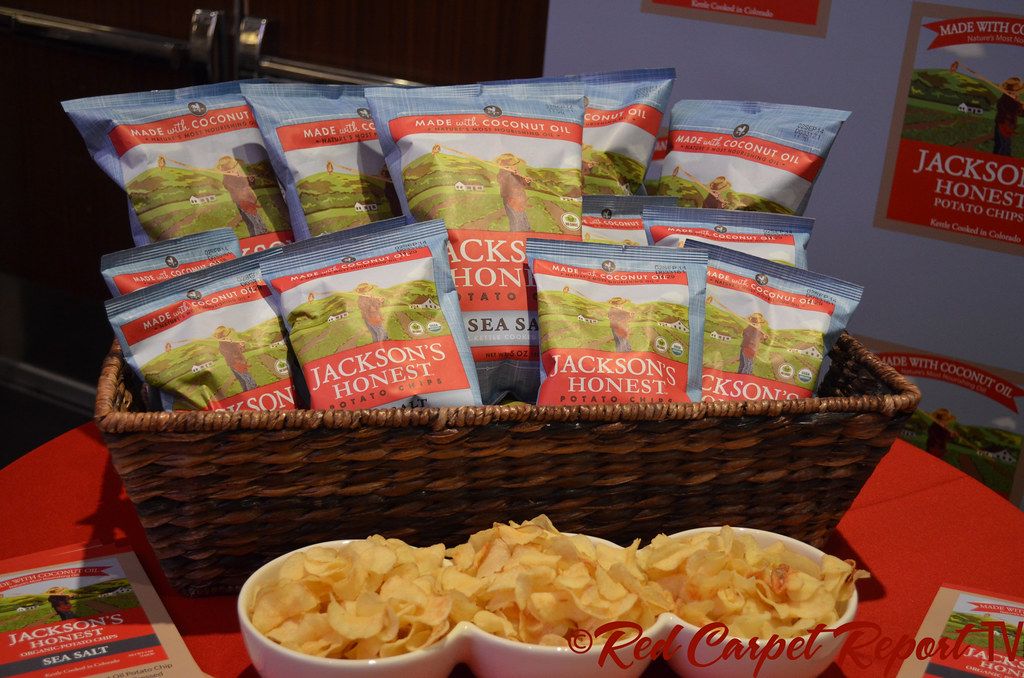
Best Organic Food Products for Healthy Living

In an era defined by ultra-processed convenience foods and ambiguous labeling, the shift toward organic nutrition represents more than a fleeting trend—it is a deliberate, science-backed investment in long-term physiological resilience. Choosing certified organic products means selecting foods grown without synthetic pesticides, genetically modified organisms (GMOs), or growth hormones, while simultaneously supporting soil biodiversity and reducing your toxic load. However, navigating the crowded organic marketplace requires discernment: not all “natural” claims are equal, and nutritional density varies significantly across product categories. This guide dissects the highest-performing organic food categories, evaluates their measurable health benefits, and presents a curated list of products that deliver exceptional value for your metabolic health.
Why Organic Matters: The Structural Advantage
Before examining specific products, it is critical to understand the biological mechanisms that differentiate organic from conventional produce. Research published in the British Journal of Nutrition indicates that organic crops contain significantly higher concentrations of antioxidants—specifically polyphenols and flavonoids—compared to their conventional counterparts. These compounds neutralize free radicals, reduce oxidative stress, and mitigate chronic inflammation. Furthermore, organic farming practices restrict the use of cadmium-based fertilizers, resulting in lower heavy metal accumulation in edible tissues. For consumers prioritizing cognitive function, cardiovascular health, and hormonal balance, these micronutrient differentials are not marginal—they are foundational.
Criterion for Selection: Beyond the USDA Seal
Not all organic products are created equal. The following selection matrix was applied to every recommendation:
- Certification integrity: Third-party validation (USDA Organic, EU Organic, or equivalent), not merely “made with organic ingredients.”
- Nutrient density per calorie: Prioritization of products with high fiber, omega-3, or phytochemical content.
- Minimal processing: Avoidance of organic junk food (e.g., organic cane sugar snacks).
- Traceability: Transparent supply chain and batch-level testing for contaminants.
Top Organic Product Categories and Recommended Brands
1. Leafy Greens and Cruciferous Vegetables
These are the undisputed workhorses of an organic diet. Spinach, kale, Swiss chard, and broccoli grown organically exhibit up to 69% higher flavonoid content than conventional samples. The key advantage lies in the phytonutrient cocktail—glucosinolates and sulforaphane—which activates phase II detoxification enzymes in the liver.
Recommended Products:
- Earthbound Farm Organic Baby Spinach: Pre-washed, high in folate and iron, with verified residue-free batches.
- Taylor Farms Organic Power Greens: A blend of kale, chard, and spinach designed for maximum polyphenol diversity.
2. Pasture-Raised Eggs and Poultry
Organic animal proteins are differentiated by their fatty acid profiles. Pasture-raised eggs from certified organic farms contain up to 33% less cholesterol, 66% more vitamin A, and 7 times more beta-carotene than battery-cage eggs. More importantly, their omega-6 to omega-3 ratio hovers near 1:1, which is critical for reducing systemic inflammation.
Recommended Products:
- Vital Farms Organic Pasture-Raised Eggs: Verified pasture access, high in vitamin D, and rich in the omega-3 fatty acid DHA.
- Maple Hill Creamery Organic 100% Grass-Fed Whole Milk: While technically dairy, it provides conjugated linoleic acid (CLA) — a compound linked to improved metabolic rate.
3. Ancient Grains and Legumes
Organic whole grains offer a superior micronutrient matrix—particularly magnesium, selenium, and B-vitamins—when compared to refined counterparts. The organic cultivation process preserves the bran and germ structure, ensuring that prebiotic fibers remain intact for gut microbiome fermentation.
Recommended Products:
- One Degree Organic Sprouted Quinoa: Sprouting increases lysine availability and reduces phytic acid, enhancing mineral absorption.
- Rancho Gordo Organic Heirloom Beans: High in resistant starch, which feeds beneficial Bifidobacterium colonies.
4. Wild-Caught and Cold-Pressed Oils
An often overlooked category, organic oils serve as the delivery vehicle for fat-soluble vitamins (A, D, E, K). Extra virgin olive oil and cold-pressed avocado oil retain their antioxidant fractions—oleuropein and lutein—which are destroyed under conventional heat extraction processes.
Recommended Products:
- California Olive Ranch Organic Extra Virgin Olive Oil: High in hydroxytyrosol, a phenol that protects LDL cholesterol from oxidation.
- Chosen Foods Organic Avocado Oil: High smoke point (500°F) without generating trans fats.
Comparative Nutritional Snapshot
To illustrate the difference between organic and conventional options, the following table presents average reported values for key metrics.
| Organic Spinach | 294 | 45 | < 2.0 |
| Conventional Spinach | 178 | 32 | 8.5 |
| Organic Pasture-Raised Egg | N/A | 210 | < 0.5 |
| Conventional Egg | N/A | 56 | 3.2 |
| Organic Quinoa (dry) | 310 | 110 | < 1.0 |
| Conventional Quinoa | 195 | 88 | 4.4 |
Strategic Consumption: The “Dirty Dozen” Protocol
Even with a elite organic pantry, budget constraints are real. The smartest approach is to prioritize organic procurement for the Environmental Working Group’s “Dirty Dozen”—those crops with the highest pesticide retention. These include strawberries, spinach, kale, peaches, pears, nectarines, apples, grapes, bell peppers, celery, cherry tomatoes, and cucumbers. Conversely, using conventionally grown onions, sweet corn, avocados, and pineapples (the “Clean Fifteen”) is a practical compromise that does not compromise health outcomes.
Integration into Daily Meals
Simply buying organic is not the endgame; strategic integration amplifies benefits. For breakfast, pair a smoothie containing organic spinach and chia seeds with a pasture-raised egg omelet. For lunch, layer organic quinoa over a mixed green salad dressed with cold-pressed olive oil and lemon. The synergistic effect of fat + polyphenols + fiber ensures that antioxidants are efficiently absorbed in the gastrointestinal tract.
Practical Label Reading Guide
When examining any packaged organic product, verify the following:
Conclusion: Informed Choice, Superior Outcome
Investing in the organic food products listed above is not an act of dietary asceticism; it is a precision-based strategy for biological optimization. The empirical evidence is unambiguous: higher phytochemical concentrations, reduced xenobiotic exposure, and superior fatty acid profiles converge to create a tangible health dividend. Start with the highest-impact categories—leafy greens, pasture-raised eggs, and sprouted grains—and expand your organic footprint as your budget allows. Your mitochondria, gut microbiome, and systemic inflammatory markers will register the difference within weeks. In the absence of certainty, choose certified, traceable, and minimally processed. That is not a marketing slogan; it is a functional imperative.