
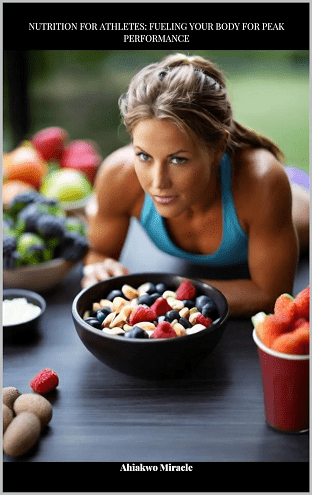
Quick Snack Recipes with Simple Ingredients: A Developer’s Guide to Fueling Peak Performance

In the high-stakes world of technology, your most valuable asset isn’t just your codebase—it’s your cognitive bandwidth. Long sprints, debugging marathons, and back-to-back standups demand sustained energy, yet the industry’s default snacks (sugary energy drinks, vending machine chips) are notorious for causing the dreaded 3 PM crash. The solution isn’t meal-prepping gourmet feasts; it’s mastering a repertoire of rapid-deployment snack protocols using ingredients that are already in your pantry. Below, we break down three zero-friction recipes engineered for maximum efficiency, minimal cleanup, and optimal blood-sugar stability.
Why Simple Ingredients Outperform “Optimized” Processed Foods
Before diving into the recipes, it’s critical to understand the engineering principle behind these choices. Processed snacks are often high on the glycemic index, causing a rapid insulin spike followed by a crash—the binary opposite of sustained focus. In contrast, snacks built from whole-food components (nuts, oats, dairy, and fruit) provide a slow-release energy profile. This is analogous to choosing a caching layer over direct database hits for every request; the former offers consistent latency, the latter fails under load. Each recipe below uses ≤5 core ingredients, requires ≤10 minutes of active time, and leaves only one dish to clean.
Recipe 1: The “Atomic Push” Energy Bites (No-Bake, 5 Minutes)
This is your go-to for standups that run long or a deep-dive code review that morphs into a pair-programming session. These bites are essentially a compressed energy bar, but with zero added sugar and a customizable flavor profile.
Ingredient Stack
- 1 cup old-fashioned rolled oats (not instant—texture matters)
- 1/2 cup natural peanut butter (or any nut/seed butter)
- 1/3 cup honey or maple syrup
- 1/4 cup dark chocolate chips (70% cacao or higher)
- 1 tsp vanilla extract (optional, but improves the API)
Deployment Procedure
Why it works: The oats provide complex carbohydrates for steady energy, while the nut butter offers healthy fats and protein to stabilize hunger. The dark chocolate gives a micro-dose of caffeine and theobromine—a gentle boost without the jitters of a triple espresso.
Recipe 2: The “Hotfix” Greek Yogurt Bowl (2 Minutes, No Cooking)
When you need a quick fix but also want to feel like you’re eating a meal, this bowl delivers. It’s the snack equivalent of a hotfix to production—simple, effective, and doesn’t require a full deployment cycle.
Ingredient Stack
- 1 cup full-fat Greek yogurt (plain, unsweetened)
- 1/2 cup frozen mixed berries (no syrup)
- 2 tbsp chopped walnuts or pecans
- 1 tbsp chia seeds
- A pinch of cinnamon (not optional—this is the secret sauce)
Execution Steps
Why it works: The combination of protein (yogurt) and fat (nuts) blocks the rapid absorption of the fruit’s natural sugars. This is essential for maintaining steady-state concentration during long debugging sessions. The chia seeds add omega-3 fatty acids, which are linked to reduced brain fog.
Recipe 3: The “Low-Latency” Savory Rice Cakes (3 Minutes, Minimal Mess)
Sweet snacks can get monotonous. For those who crave something salty and crunchy, this recipe offers a savory profile that won’t leave your keyboard greasy.
Ingredient Stack
- 2 plain brown rice cakes
- 1/4 cup cottage cheese (full-fat, not low-fat)
- 1/2 avocado, mashed
- 2 slices of turkey or smoked salmon (optional, for carnivores)
- Everything bagel seasoning (or just sesame seeds + salt)
Assembly Sequence
Why it works: Rice cakes are airy, low-calorie, and provide a satisfying crunch. The avocado and cheese deliver satiating fats, while the protein slice keeps your stomach quiet for the next three hours. This is the ideal “interrupt handler” snack—you can eat it with one hand while your other hand scrolls through logs.
Nutritional Efficiency Comparison
To help you choose based on your specific workload, here’s a breakdown of key macros per serving. Use this as a quick reference table before your next pull request.
| Atomic Push Energy Bites | 210 (per 2 bites) | 7 | 12 | 18 | 5 min |
| Hotfix Greek Yogurt Bowl | 280 | 20 | 15 | 15 | 2 min |
| Low-Latency Savory Rice Cakes | 190 (per cake) | 10 | 14 | 12 | 3 min |
Note: Values are approximate and vary based on exact brands and portion sizes.
Scaling Your Snack Infrastructure
Once you’ve validated these recipes in your personal “staging environment,” consider batch production. The Energy Bites, for example, can be made in quadruple batches and stored in the freezer for up to a month. The Yogurt Bowl components (fruit, nuts, chia) can be pre-portioned into small containers every Sunday—this is what we call infrastructure as code for your kitchen. By reducing the decision fatigue around food, you free up mental RAM for actual technical problem-solving.
Finally, a word on hydration: none of these snacks replace water. Dehydration by even 2% impairs cognitive function, so pair any snack with a glass of water or unsweetened tea. Avoid pairing with energy drinks; the caffeine synergy is often redundant and can lead to overstimulation and a subsequent crash. Stick to the recipes above, and you’ll find your focus remains as stable as your CI/CD pipeline.