
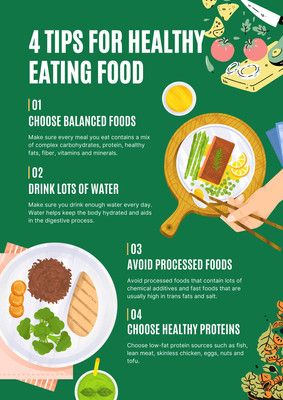
Healthy Eating Tips for a Balanced Lifestyle

In the era of biohacking, intermittent fasting, and algorithmic meal planning, the core principles of nutrition are often obscured by noise. However, a balanced lifestyle is not about restrictive diets or fleeting trends. It is a sustained, data-driven approach to fueling your body for optimal cognitive performance, metabolic efficiency, and long-term physiological resilience. Below are professional-grade, actionable strategies that bridge nutritional science with daily execution.
1. Rethink Macronutrient Distribution
Your body is a precision machine; macronutrients are its fuel sources. A balanced plate is not a one-size-fits-all formula, but a dynamic ratio adjusted to your activity level, metabolic rate, and health objectives. Instead of eliminating food groups, focus on optimizing their quality and timing.
Prioritize High-Quality Protein
Protein is the cornerstone of cellular repair, enzyme production, and satiety. Integrate a source of lean protein—such as poultry, fish, legumes, or tofu—into every meal. This not only stabilizes blood glucose but also preserves lean muscle mass, which is critical for maintaining a higher basal metabolic rate as you age.
Choose Complex Carbohydrates Strategically
Not all carbohydrates are created equal. Refined sugars spike insulin and trigger inflammatory pathways. Instead, source your carbs from low-glycemic index vegetables, whole grains, and legumes. These deliver a slow release of energy, maintaining steady cognitive focus and preventing the mid-afternoon crash.
Do Not Fear Dietary Fats
Healthy fats—particularly monounsaturated and omega-3 fatty acids—are vital for hormonal balance and brain health. Incorporate avocados, nuts, seeds, and olive oil. However, be mindful of caloric density; fat contains 9 calories per gram versus 4 for protein and carbs. Measure portions, especially when dining out.
2. Master the Art of Portion Control
Even the most nutrient-dense food, when consumed in excess, becomes a barrier to balance. Modern restaurant portions are often 2-3 times larger than necessary. Use the following framework as a visual calibration tool:
| Protein (meat, fish, poultry) | 85–113 grams (3-4 oz) | Deck of cards |
| Complex Carbohydrates (rice, pasta) | ½ cup (cooked) | Baseball or a closed fist |
| Vegetables (leafy or chopped) | 1-2 cups | Two open hands |
| Healthy Fats (nuts, cheese) | 28 grams (1 oz) or 1 tbsp | Thumb tip or 2 dice |
Pro tip: Use smaller plates. Research in environmental psychology indicates that a 25% reduction in plate diameter can lead to a 20-30% reduction in calorie intake without increasing perceived hunger.
3. Optimize Hydration as a Metabolic Lever
Thirst is often misread as hunger. Chronic mild dehydration—at just 1-2% of body water loss—can impair mood, concentration, and physical performance. Water is not a passive component; it is a critical reactant in the metabolism of stored fat.
- Set a baseline: Multiply your body weight in kilograms by 30-35 mL to get your daily minimum water intake in milliliters.
- Electrolyte balance: For active individuals, plain water is insufficient. Add a pinch of sodium, potassium, and magnesium—or use an unsweetened electrolyte powder—especially during or after high-intensity workouts.
- Caffeine caution: Coffee and tea count toward fluid intake, but their diuretic effect is mild. Limit added sugars and artificial sweeteners in beverages, as they trigger insulin responses akin to food.
4. Implement Time-Restricted Eating
While not strictly a “diet,” aligning your eating window with your circadian rhythm can yield significant metabolic benefits. The simplest, most sustainable protocol is the 12:12 or 14:10 window—fasting for 12-14 hours overnight and consuming all meals within a 10-12 hour daylight span.
This approach enhances insulin sensitivity, reduces oxidative stress, and allows your digestive system to complete the migrating motor complex—a sweeping wave of electrical activity that clears residual undigested food from the small intestine. Ensure your last meal is 3-4 hours before bedtime to avoid disrupting sleep architecture.
5. The 80/20 Rule: A Pragmatic Approach
Strict perfection is unsustainable and counterproductive. The “80/20” framework stipulates that 80% of your caloric intake comes from whole, minimally processed foods, while the remaining 20% is reserved for flexibility. This is not a license to binge; it is a strategic release valve that prevents psychological burnout and social isolation.
- Plan for indulgences: Schedule a meal or snack you genuinely enjoy. Anticipatory planning reduces the likelihood of impulsive overeating.
- Eat deliberately: When consuming the “20%” portion, pause. Savor the texture and flavor. Mindful consumption of a small treat yields more satiety than distracted consumption of a large one.
- Never “compensate” with restriction: Avoid the mental trap of fasting for 24 hours after a large meal. This yo-yo pattern dysregulates ghrelin and leptin, the hormones that control appetite.
6. Cultivate Strategic Meal Prep
Decision fatigue is a primary enemy of healthy eating. When energy is low, you default to convenience. Meal prepping is a technological solution to a biological problem—it reduces the friction between you and a healthy choice.
7. Listen to the Signals, Not the App
Wearables and tracking apps are powerful tools, but they are proxies for your body, not the authority. Correlate your biometric data (steps, sleep score, heart rate variability) with your internal hunger and fullness cues. If you are exercising regularly and eating balanced meals, but you feel lethargic, your micro-nutrient intake or hydration might be off. Conversely, if your tracking shows a calorie deficit but you are constantly hungry, your food composition lacks fiber or protein.
The goal is not to be perfectly compliant, but to be consistently adaptive. A balanced lifestyle is a live system—it requires feedback loops, minor adjustments, and a long-term perspective. By applying these evidence-based principles, you will not only improve your physical health but also sharpen the mental clarity needed to perform at your peak. Start with one tip this week. Master it. Then layer on the next. Sustainable change is incremental, but the compound effect is transformative.